Society With Open Drains and Polished Shoes
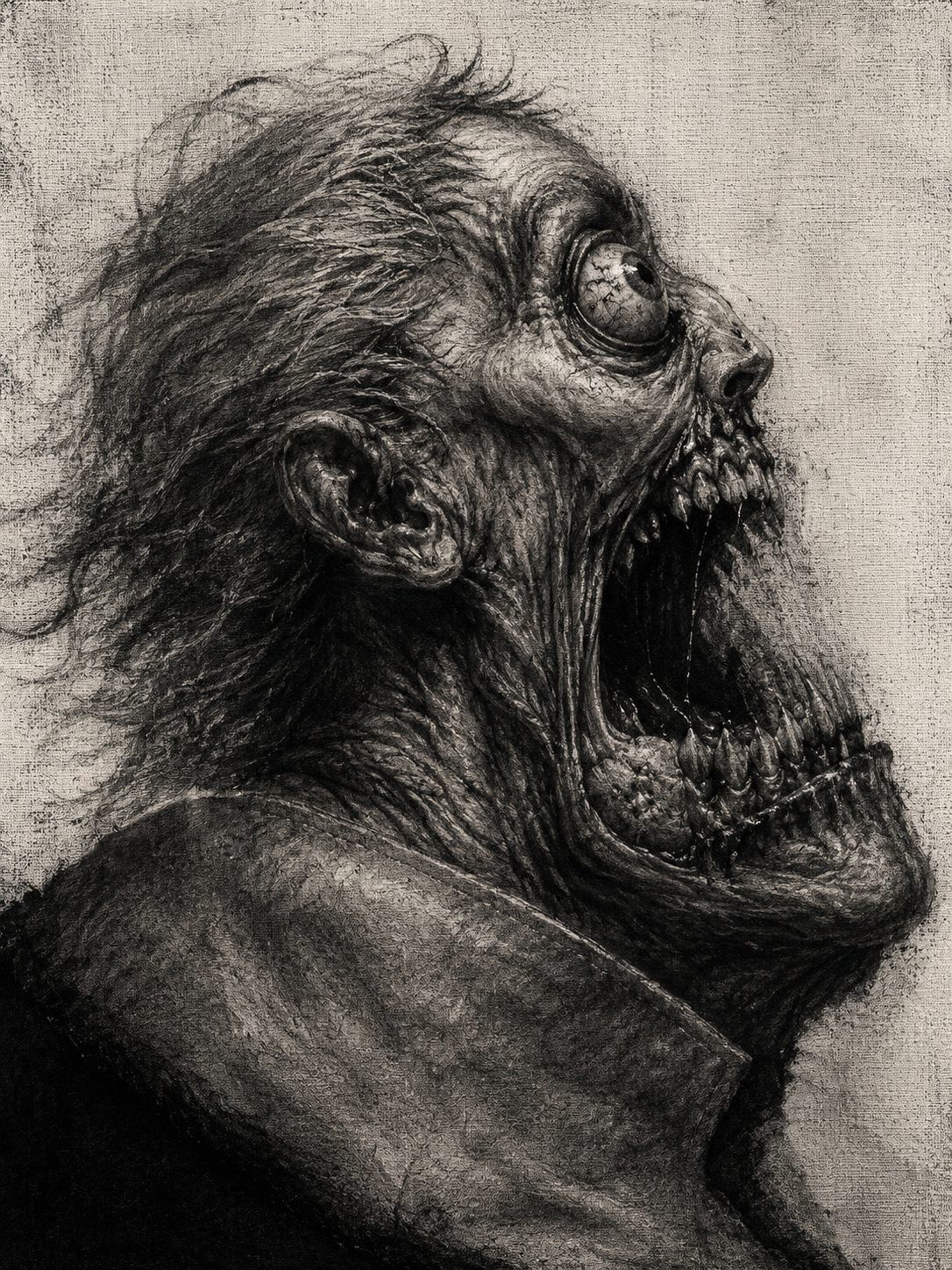
The nice thing about living in a society that smells faintly of open drain, cheap perfume, and committee tea is that bad people do not have to be searched for with binoculars.
They come home-delivered.
They are in the lane, at the counter, on the phone, behind the desk, inside the club, outside the temple, beneath the party flag, beside the donation box, inside the motivational seminar, under the umbrella of respectability, and occasionally wearing a white kurta so crisp it could slice cucumber. They are not hiding. Why should they? Hiding is for amateurs. Today’s scoundrel stands in full daylight, takes a selfie, adds a quote about integrity, and waits for applause.
Earlier, bad character at least had the manners to sweat.
Now it comes air-conditioned.
This is not some grand philosophical complaint from a man who has read too much and slept too little, although both charges will stand in court. It is a practical observation from the outer edges of Calcutta, where the afternoon sun presses its hot palm on the tin roofs, the power behaves like a moody prince, and the news on the phone arrives in little packets of disaster, scandal, and triumphant stupidity. One reads it while drinking tea from a cup with a crack in it and thinks, naturally, that civilization may have been oversold.
The modern rogue is a lovely animal. He has no knowledge deep enough to drown a mosquito, but he has confidence. Tremendous confidence. Confidence like a loudspeaker at a political rally. Confidence like a man reversing a bus in a narrow lane while twelve people shout twelve different instructions. Confidence like a barber who says, “Trust me,” just before ruining your head for three weeks.
He may know nothing, but he knows how to sound like someone who knows.
That is the trick.
A little English. A little piety. A little networking. A little business vocabulary. A little “positive mindset.” A little ancient wisdom, usually discovered last Thursday on YouTube. Add one profitable lie, stir with family connections, garnish with moral lecture, and serve hot to the public.
People will eat it.
We eat many things.
The old villain had a knife. The new villain has a brochure. He does not rob you in the dark. He invites you for coffee. He says there is a huge opportunity. He says he believes in you. He says only three people have been selected. He says the universe rewards courage. He says everything is legal. He says the paperwork is being handled. He says, brother, why are you so suspicious?
And by the time you discover why, he has moved on to the next brother.
I saw more of these creatures when I was trying to do things. Entrepreneurship, especially in our part of the world, is not a business activity. It is a safari through human appetite. You begin with a small idea, a fragile plan, and maybe a foolish hope shining in your pocket like a two-rupee coin from childhood. Then the jungle opens.
There is a consultant who can introduce you to the right people. There is a right person who can introduce you to the better person. There is a better person whose nephew knows the real person. There is the real person who never answers the phone. There is the official who needs one document you were never told existed. There is the partner who loves the vision but not the work. There is the friend who says, “We must do something together,” which in Bengali life often means, “You do it, I shall supervise from a safe moral height.”
And there is always one man with a smile like wet cement.
He will set.
You will be stuck.
When the enterprise fails, the crowd disappears with the grace of cockroaches under sudden light. This is one of failure’s few gifts. It cleans the room. Not fully. But enough to see the floor.
Nowadays I do less. Much less. I live like a retired ceiling fan: present, dusty, occasionally moving, making more noise than wind. I am not proud of this. Let us not put a medal on exhaustion. I have simply stepped back from the circus because I no longer have the knees for acrobatics or the stomach for clowns.
There are mornings when even brushing my teeth feels like negotiating with a hostile ministry.
The body has its small rebellions. The mind has its larger ones. Depression does not arrive wearing black and playing violin. It arrives as unpaid electricity bill, unanswered message, old ambition sitting in the corner like a relative who will not leave, and the sudden memory that one’s life was once expected to become something with shape.
Shape is important.
A clay cup has shape. A tram ticket has shape. Even a broken slipper has shape. But a life can lose shape quietly. No thunder. No dramatic fall. Just little collapses. One friendship goes stale. One plan fails. One opportunity dies. One illness grows teeth. One year becomes five. And then you are fifty-one, sitting in the southern boondocks of Calcutta, listening to a pump groan somewhere in the neighborhood, wondering how exactly the magnificent ship became this damp little paper boat.
Naturally, advice arrives.
Advice always arrives. It is the mosquito of civilization.
People who would not lend you five hundred rupees will lend you wisdom by the kilo. Exercise. Meditate. Network. Think positive. Stop thinking negative. Move on. Start again. Sleep early. Wake early. Drink more water. Drink less tea. Believe in yourself. Don’t isolate. Don’t overshare. Go out. Stay in. Forgive. Forget. Manifest. Detox. Rewire your brain. Heal your inner child. Become your best self.
My best self, I suspect, has changed address.
Some advice is kind. Let me not be unfair. There are decent people, and they are the reason the world has not yet become a fully licensed sewer. But much of what passes for advice is not kindness. It is housekeeping. People want your pain folded neatly and kept where guests cannot see it.
They do not want you well.
They want you manageable.
There is a difference, and it is the size of Howrah Bridge.
A suffering man is socially inconvenient. He breaks the rhythm of polite lies. He does not laugh at the right time. He remembers what was done. He notices the knife beneath the napkin. He asks why the smiling friend appeared only when there was something to control. He hears the false note in the sentence, “I am saying this for your own good.”
That sentence deserves police attention.
Not always. But often enough.
The most dangerous people are not always the openly cruel ones. Open cruelty at least saves time. The dangerous ones arrive wrapped in concern. They tell you they understand, then explain your own life back to you badly. They tell you to be practical, by which they mean obedient. They tell you not to burn bridges, though the bridge in question has already been eaten by termites, painted gold, and inaugurated twice.
This is where life becomes comic, if you have the wrong sort of eyes.
Human beings speak one thing, mean another, perform a third, and remember a fourth. Between mouth and motive lies a swamp large enough to host a real estate project. “I care about you” may mean care. It may also mean control. “Let me know if you need anything” often means please do not need anything. “We are like family” means someone is about to avoid payment. “This is not about money” means it is almost entirely about money.
Watch the sentence.
Then watch the feet.
The feet know.
I am tired of people, yes. But not in the fashionable way. Misanthropy has become too stylish now, like black T-shirts and expensive coffee. My tiredness is more local, more municipal. It has potholes. It has flies. It has the smell of frying oil reused once too often. It is the tiredness of a man who has seen too many clever mouths and too few clean hands.
And yet the world remains absurdly alive. That is the irritation.
The fish seller still argues at dawn. A child still drags a schoolbag twice the size of his spine. A stray dog sleeps with the confidence of a landlord. Someone’s pressure cooker whistles like a small industrial accident. The neighbor’s television reports another national crisis in the same voice used for cricket, murder, rain warning, and celebrity divorce. A crow lands on the balcony and looks at me as if I have personally disappointed evolution.
Perhaps I have.
But the crow is no great success either.
This is the trouble with despair. It is never pure. Life keeps interrupting with little jokes. A man may be considering the large uselessness of existence, and just then the gas cylinder man will call and ask for directions though he has delivered to the same address for seven years. A person may feel finished, erased, spiritually packed and sealed, and then the laundry will fall from the line into a puddle with such comic timing that even misery must pause and admire the choreography.
So I remain.
Not heroically. Not inspirationally. Please spare me that garland. I remain like an old table in a rented room: scratched, useful in patches, slightly uneven, still holding things up when required. There is no victory music. There is tea. There is medicine. There are bills. There is the daily arithmetic of survival. There is writing.
Writing is the last unpaid servant who has not resigned.
It lets me take the rot and put a frame around it. It lets me say: this happened, that man lied, that friend performed friendship like a school play, that advice was a leash, that opportunity was bait, that society has learned to polish its disease until it reflects light.
Maybe this is not enough.
But it is not nothing.
To describe a decorated drain is not to clean it. I know. I am not a fool, only frequently mistaken for one by professionals. But description has its own small stubborn power. It refuses the perfume. It says the smell is real. It says do not call this fragrance because the powerful man has brought flowers.
And that, some days, is all I can offer.
A small witness from a hot room in Calcutta.
A cracked cup of tea.
A bad mood with grammar.
A sentence standing at the edge of the drain, pointing.